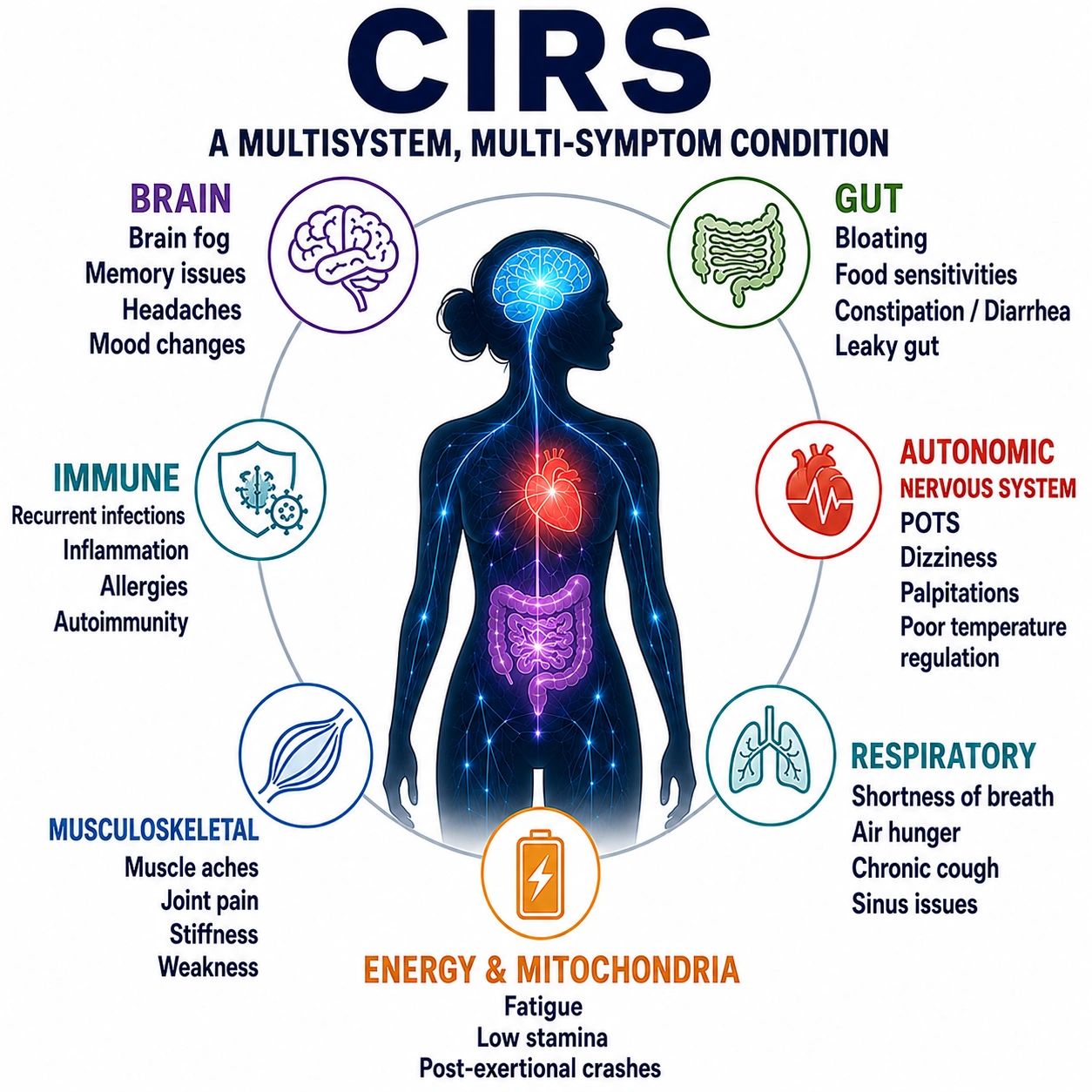

Insights from over 20 years of Dr. Gupta’s experience By Dr. Adeeti Gupta • NY 360 Wellness Medicine, New York
Chronic, smoldering inflammation is often the hidden culprit behind many health complaints that seem “untreatable” or “normal for my age.” At NY 360 Wellness Medicine in New York, we specialize in identifying and treating the root causes of inflammation—rather than simply masking symptoms.
Here are 7 key signs you might have deep-rooted inflammation—and what your next steps should be.
1. Unexplained Weight Gain
Even though you’re eating less, feeling full or bloated, and your thyroid and routine labs look normal—you’re still gaining weight.
This is something we frequently see in patients across New York. Why? Because fat tissue is not passive—it actively produces inflammatory chemicals (cytokines). This is often referred to as “metaflammation.”
Inflammation disrupts cellular energy production (ATP), slows metabolism, and throws off hormonal balance (cortisol, thyroid, estrogen, progesterone, testosterone).
What to do: Typical weight-loss strategies may fail if inflammation is the root cause.
You need a whole-body reset—reducing inflammatory load first so weight-loss tools can actually work.
At NY 360 Wellness Medicine in New York, we use advanced root-cause diagnostics including nutrient testing, toxin screening, and functional hormone panels to guide treatment. Inflammation treatment requires in-depth deep dive.
2. Irregular Bowel Movements
Constipation, bloating, diarrhea, or inconsistent stools are not “normal”—they are signs of gut inflammation.
When the gut lining is inflamed, it can lead to leaky gut, allowing toxins to enter circulation and fuel systemic inflammation. Gut or intestinal inflammation treatment involves removing the aggressors, fixing the gut microbiome imbalance, fixing the leaky gut with specific peptides and herbals and then helping rebuild the gut lining.
What to do:
- Assess gut health and microbiome
- Address food sensitivities
- Repair the gut lining
At NY 360 Wellness Medicine, gut and microbiome testing are a core part of our inflammation workup.
3. Frequent Urination or Bladder Symptoms (With Normal Tests)
If your tests are “normal” but you still have urgency, burning, or pelvic discomfort—this may not be a bladder issue alone.
Systemic inflammation can irritate the bladder and pelvic tissues.
What to do: Look beyond the bladder and address underlying inflammation, toxins, and immune dysfunction.
4. Recurrent Infections
Recurring infections (yeast, BV, ureaplasma, mycoplasma) that don’t respond to treatment often signal immune dysfunction driven by inflammation.
This may involve:
- Chronic infections
- Autoimmune markers
- Mucosal barrier breakdown
What to do: Shift focus from repeated antimicrobials to immune system restoration and inflammation control.
At NY 360 Wellness Medicine in New York, we offer comprehensive programs addressing chronic inflammation and immune dysfunction.
5. Hormone Therapy (HRT) Doesn’t Work—or Backfires
If HRT is not working—or making symptoms worse—inflammation is often the missing piece.
Inflammation disrupts hormone metabolism, cortisol balance, and detox pathways.
What to do: Before or during HRT, evaluate:
- Hormone metabolism pathways
- Inflammation markers
- Cortisol rhythm
At NY 360 Wellness Medicine, we use functional hormone mapping to ensure HRT is truly personalized and effective.
6. Unexplained Fatigue
You feel drained despite “normal labs.”
Inflammation damages mitochondria, impairing energy production—so even if glucose is available, your cells cannot use it effectively.
What to do: Evaluate:
- Inflammation markers
- Mitochondrial function
- Micronutrient status
- Toxin load
Our New York clinic uses advanced diagnostics, including biological aging and genetic testing, to uncover these energy blockers.
7. Muscle & Joint Pain (With Normal Tests)
Persistent pain with normal labs is often labeled as fibromyalgia or chronic fatigue—but underlying inflammation may be driving it.
Inflammation impairs cellular energy production, leading to pain, stiffness, and fatigue.
What to do: Don’t settle for “everything is normal.”
Ask for deeper testing and functional evaluation.
At NY 360 Wellness Medicine, we incorporate therapies such as:
- Red light therapy
- PEMF therapy
- Lymphatic massage
- Integrative recovery protocols
Why This Matters — And What To Do Next
If you resonate with these symptoms, understand this:
👉 It’s not “just aging.” 👉 It’s not “just stress.”
It’s often chronic inflammation driving downstream dysfunction.
Root causes may include:
- Nutrient deficiencies
- Gut dysfunction
- Hidden infections
- Toxin exposure (heavy metals, mycotoxins, PFAS)
- Hormonal imbalance
- Genetic and epigenetic factors
At NY 360 Wellness Medicine in New York, we follow a Medicine 3.0, root-cause approach, combining:
- Advanced diagnostics
- Personalized treatment protocols
- Integrative therapies
- Ongoing coaching and support
Why Choose NY 360 Wellness Medicine in New York?
- Led by Dr. Adeeti Gupta (Board-Certified OBGYN & Functional Medicine Physician)
- Focus on preventative, root-cause medicine
- Integration of diagnostics + therapies + lifestyle optimization
- Personalized—not protocol-driven—care
Our goal is to help you move from symptom management → true healing.
Next Steps for You
If you recognize these signs:
✔ Book a comprehensive inflammation evaluation ✔ Request advanced testing (nutrient, toxin, hormone, gut) ✔ Commit to a multi-modal plan (nutrition, detox, therapies, lifestyle)
Once inflammation is addressed, treatments like HRT, weight loss therapies, and recovery protocols work significantly better—and more safely.
True Healing Happens Here... Dr. Adeeti Gupta & the NY 360 Wellness Medicine Team
References
- De Mello, A. H., Costa, A. B., Engel, J. D. G., & Rezin, G. T. (2018). Mitochondrial dysfunction in obesity. Life Sciences, 192, 26–32. https://doi.org/10.1016/j.lfs.2017.11.019
- Engin, A. (2017). Obesity and inflammation: The linking mechanism and management strategies. Advances in Experimental Medicine and Biology, 960, 407–421. https://doi.org/10.1007/978-3-319-48382-5_17
- Kawai, T., & Autieri, M. V. (2021). Adipose tissue inflammation and metabolic dysfunction in obesity. International Journal of Molecular Sciences, 22(15), 8561. https://pmc.ncbi.nlm.nih.gov/articles/PMC8294624/
- Nazari, S., Safari, F., & Moghadasian, M. H. (2022). Obesity: A chronic low-grade inflammation and its markers. Clinical Nutrition ESPEN, 49, 187–193. https://pmc.ncbi.nlm.nih.gov/articles/PMC8967417/
- Mu, Q., Kirby, J., Reilly, C. M., & Luo, X. M. (2017). Leaky gut as a danger signal for autoimmune diseases. Frontiers in Immunology, 8, 598. https://pmc.ncbi.nlm.nih.gov/articles/PMC5440529/
- Bischoff, S. C., et al. (2014). Intestinal permeability – a new target for disease prevention and therapy. BMC Gastroenterology, 14, 189. https://pmc.ncbi.nlm.nih.gov/articles/PMC4290829/
- Kaneko, M., et al. (2024). The association between overactive bladder and systemic inflammation: A population-based study. Scientific Reports, 14(1), 12345. https://www.nature.com/articles/s41598-024-63448-3
- Yoshimura, N., & Tyagi, P. (2018). Mechanisms underlying overactive bladder and interstitial cystitis/bladder pain syndrome. Frontiers in Neuroscience, 12, 931. https://www.frontiersin.org/articles/10.3389/fnins.2018.00931/full
- Qi, X., Yun, C., Pang, Y., Qiao, J. (2021). The gut microbiome and sex hormone-related diseases. Frontiers in Microbiology, 12, 682839. https://pmc.ncbi.nlm.nih.gov/articles/PMC8506209/
- Pan, M. H., & Lai, C. S. (2023). The mechanisms of chronic inflammation in obesity and potential therapeutic targets. International Journal of Molecular Sciences, 24(5), 357. https://www.mdpi.com/1467-3045/47/5/357