Old injuries, scars, surgeries and infections can keep sending abnormal signals through the nervous system long after they "healed." Neural therapy resets that signal with precise injections of procaine, a gentle local anesthetic.
All first neural therapy visits start with a consult and exam. A full symptom evaluation is needed before we decide the course of treatment.
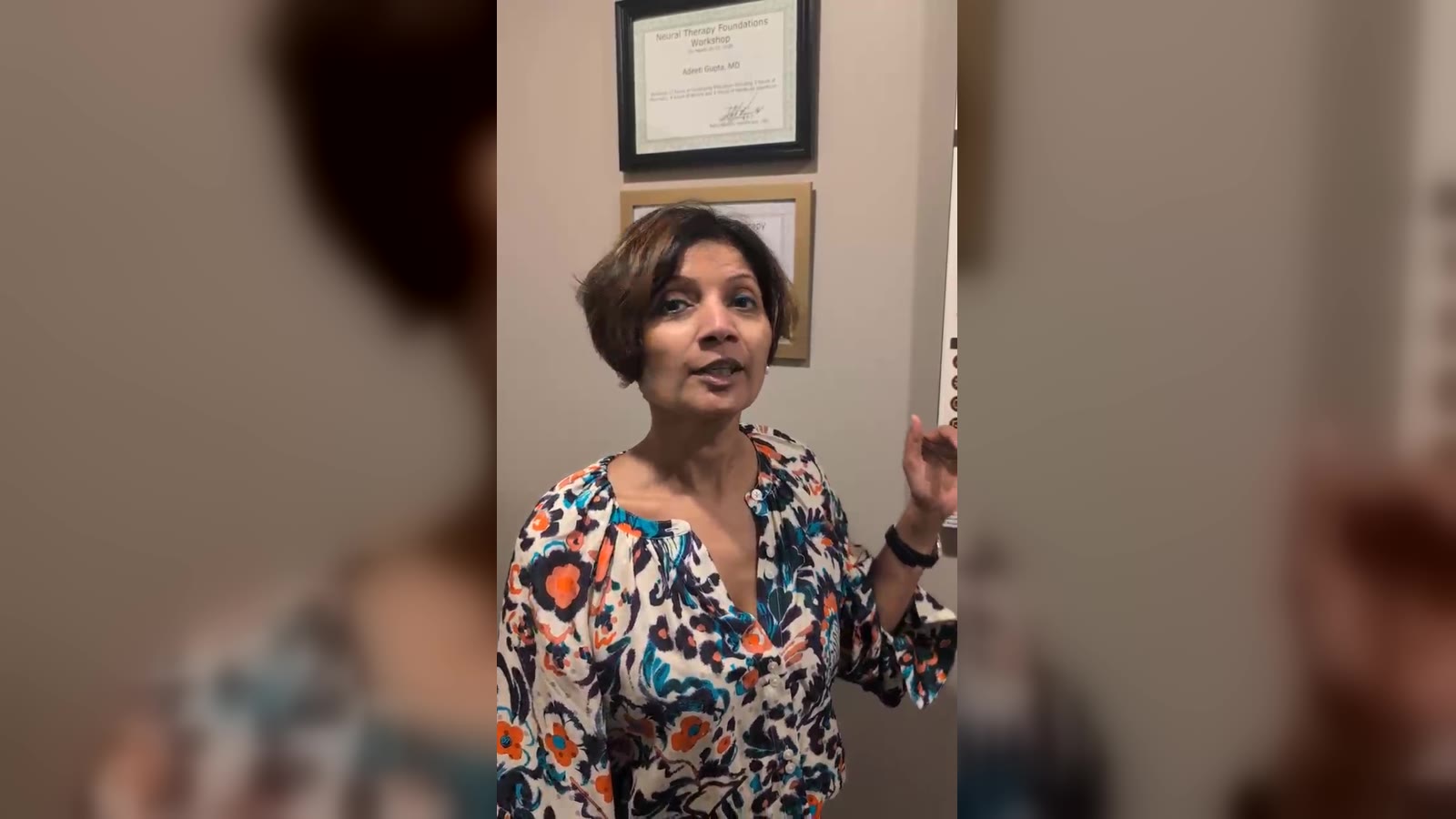
Neural therapy is a treatment approach for chronic pain and chronic illness. Small amounts of procaine are injected into specific areas: scars, nerves, autonomic ganglia, trigger points and other tissues that have become "interference fields."
The goal is to calm dysfunction inside the autonomic nervous system that keeps symptoms going. Many patients feel a shift after the first session; most follow a short series.

Depression involves disturbed neurotransmitter regulation, autonomic function and signaling pathways. Procaine acts on several of them.
Read the evidence →PTSD is more than psychological. It's linked to a sympathetic nervous system stuck in "on." A stellate block helps turn it down.
Read the evidence →Widespread pain, fatigue, sleep and mood disturbance, and sensitivity to stimuli. Neural therapy targets the sensitized nervous system behind it.
Read the evidence →Complex pain that affects quality of life, intimacy and daily activity. Finally, a physician who looks for the cause.
Read the evidence →Racing heart on standing, dizziness, fatigue and brain fog. Resetting the vagus nerve can help regulate the autonomic system.
Read the evidence →Interference fields affect the gut-brain axis, and neural signaling after concussion, stroke and TBI.
Gut evidence → Brain injury evidence →
"This has been one of the most gratifying treatment strategies I have come across. Being a surgeon, I am used to taking the diseased organs out, but this therapy has dramatically changed patient outcomes with a much less invasive technique."
Dr. Adeeti Gupta, MD, FACOG
"Neural therapy is the missing link in medical practice today. I have used this for 33 years, treating patients referred by many doctors and hospitals who were not responding to treatment."
The injections use a very fine needle and procaine, a gentle local anesthetic. Most patients describe a quick pinch and then a feeling of release or warmth.
It depends on how long the problem has been there and how many interference fields are involved. Some people feel a change after one session; a typical course is a short series spaced about a week apart.
Neural therapy is self-pay. We review costs at your consult and can provide a superbill for you to submit to your insurer.
Yes. Dr. Gupta often pairs neural therapy with Flowpresso, hyperbaric oxygen, red light, PEMF and IV therapy as part of one plan.
Book online in a couple of taps, or call the office and talk to a real person.